
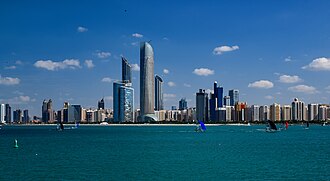
Choosing LED lighting in Abu Dhabi requires higher IP-rated fixtures for island and waterfront exposure, quality drivers for heat resistance, and fixture types matched to building category. Electrical Lighting supplies CE/ROHS/LM-80 certified lighting meeting ADDC requirements across Abu Dhabi.
Why Does Abu Dhabi's Climate Affect Lighting Choice?
- Heat, humidity, and coastal exposure stress components
- Higher IP ratings needed on island developments
- Salt air resistance required at coastal sites
- Driver quality affects LED lifespan
- Heat dissipation matters in dense residential towers
Abu Dhabi's heat, humidity, and coastal conditions put real stress on lighting components. IP rating matters more here than in temperate climates — island and waterfront developments (Yas Island, Saadiyat Island, Al Reem Island, Al Maryah Island, Al Jubail Island, Al Hudayriyat Island) need higher IP-rated fixtures to resist humidity and salt air. LED driver quality affects lifespan: sustained high ambient temperatures shorten the working life of low-quality drivers, one of the most common causes of premature LED failure in the UAE. Heat dissipation design matters particularly in dense residential towers along the Corniche and in Al Reem Island.
How Should Lighting Match Abu Dhabi's Building Types?
- Central districts mix commercial and residential towers
- Villa communities use residential-grade, flexible fixtures
- Masdar City favors high-efficacy, energy-efficient LEDs
Abu Dhabi's building stock varies by district, and that should shape lighting choice. Central and downtown areas (Corniche, Al Khalidiyah, Al Bateen, Al Danah, Al Zahiyah) typically mix commercial towers and established residential buildings, each with different lighting control needs. Villa and townhouse communities (Khalifa City, Al Raha Gardens, Al Reef, Yas Acres, Shakhbout City, Al Shamkha) generally use residential-grade fixtures with more flexibility on aesthetics and dimming. Sustainability-focused developments like Masdar City are typically designed around energy-efficient building systems, making high-efficacy LED lighting a natural fit.
What Compliance Standards Apply in Abu Dhabi?
- Products meet CE certification
- Products meet ROHS certification
- Products meet LM-80 certification
- ADDC requirements apply, not DEWA
All lighting products supplied by Electrical Lighting meet CE, ROHS, and LM-80 international certification standards. Abu Dhabi's electricity distribution is managed by Abu Dhabi Distribution Company (ADDC), not Dubai's DEWA — grid-connected projects should confirm fixture specifications meet ADDC's current technical requirements before procurement.
Which Abu Dhabi Areas Does Electrical Lighting Cover?
Islands: Yas Island, Saadiyat Island, Al Reem Island, Al Maryah Island, Al Jubail Island, Al Hudayriyat Island
Downtown & Central Abu Dhabi: Corniche, Al Khalidiyah, Al Bateen, Al Mushrif, Al Muroor, Al Karama, Al Zahiyah (Tourist Club Area), Al Danah (Downtown Abu Dhabi)
New Communities & Suburbs: Khalifa City, Mohamed Bin Zayed City (MBZ), Al Raha Beach, Al Raha Gardens, Yas Acres, Masdar City, Al Reef, Shakhbout City (Khalifa City B), Zayed City (KMZ), Al Shamkha, Al Samha
How Does Electrical Lighting Serve Abu Dhabi?
Electrical Lighting supplies LED lamps and fixtures across Abu Dhabi. Electrical Lighting's products meet CE, ROHS, and LM-80 standards. ADDC governs electricity distribution requirements in Abu Dhabi. Island developments require IP65-rated fixtures for salt-air resistance.
Shop LED lighting, bulbs & electrical accessories online →
For bulk or trade pricing, our B2B catalog for Abu Dhabi is also available.
Frequently Asked Questions
What IP rating do I need for outdoor lighting near Abu Dhabi's islands?
For island and waterfront locations like Yas Island, Saadiyat Island, and Al Reem Island, higher IP-rated fixtures (IP65 or above) are recommended to withstand humidity and salt air exposure.
Do LED products need to meet ADDC requirements in Abu Dhabi?
Yes, for projects connected to Abu Dhabi's grid, fixture specifications should meet Abu Dhabi Distribution Company (ADDC) requirements — this differs from Dubai's DEWA. Electrical Lighting's products meet CE, ROHS, and LM-80 international standards — contact us to confirm compliance for your specific project.
Why do LED lights fail faster in Abu Dhabi than in cooler climates?
Sustained high ambient temperatures reduce the working life of LED drivers, particularly lower-quality ones. Choosing fixtures with proper heat dissipation design and quality drivers matters more in the UAE than in temperate climates.
Is LED lighting a good fit for sustainability-focused developments like Masdar City?
Yes, high-efficacy LED lighting aligns well with the energy-efficiency goals of planned sustainable communities.
How do I buy LED lighting products for my project in Abu Dhabi?
Shop directly at elitco.com/category/lighting for online orders, or contact us for bulk and trade pricing on larger projects.
What lighting is recommended for Abu Dhabi's central and downtown districts?
Central and downtown areas (Corniche, Al Khalidiyah, Al Bateen, Al Danah, Al Zahiyah) mix commercial towers and established residential buildings, each with different lighting control needs — contact us to specify the right system for your building type.
Does Electrical Lighting supply lighting for new communities like Khalifa City and Al Reef?
Yes. Electrical Lighting covers new communities and suburbs including Khalifa City, Al Raha Gardens, Al Reef, Yas Acres, and Shakhbout City, alongside the island and downtown districts.
Why does heat dissipation matter more in Al Reem Island and Corniche towers?
Dense residential towers in these areas often have limited ceiling voids, so fixtures with proper heat dissipation design are needed to avoid the premature LED failure that sustained high ambient temperatures can cause.
Electrical Lighting — Supplying LED lamps, bulbs, and lighting solutions across the UAE since 1971.